

Description
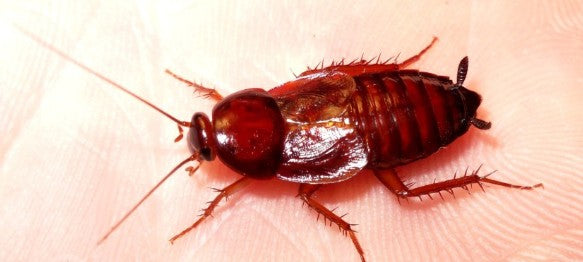
The Paratemnopteryx couliana, commonly known as Red Goblin Roach, is an excellent feeder species that reproduces on par with red runners and is similarly sized. This species offers a significant advantage over red runners: they are not as protein hungry, making them less likely to chew on spiderlings or molting spiders. This makes the Red Goblin Roach an ideal choice for hobbyists looking for a reliable, prolific feeder colony that is safer for delicate invertebrates.
This species is terrestrial and prefers to hang out on top of the substrate rather than burrowing, so substrate depth isn't critical. While adults can climb, they rarely do in practice. The Red Goblin Roach is easy to maintain with minimal moisture requirements—just mist a corner weekly when feeding. Known for its prolific breeding comparable to red runners, safer feeding behavior for spiderlings and molting spiders, low protein requirements, terrestrial nature, and simple care requirements, the Red Goblin Roach is a prized specimen for keepers who need reliable feeders without the risks associated with more aggressive feeder species.
Key Features:
- Excellent feeder species for tarantulas and other invertebrates
- Reproduces on par with red runners
- Similar size to red runners
- Less protein hungry than red runners
- Less likely to chew on spiderlings or molting spiders
- Safer for delicate invertebrates during molting
- Terrestrial species that prefers substrate surface
- Not a burrowing species
- Adults can climb but rarely do
- Easy and forgiving care
- Minimal moisture requirements
- Prolific breeding
- Self-sustaining feeder colony
- Beginner to intermediate care level
- Live arrival guarantee with safe, discreet shipping
Housing: Start cultures in a small to medium container with adequate ventilation. This species prefers a simple setup with substrate and hiding places. Since they are not burrowers, substrate depth isn't important—a shallow layer works fine. Use coconut fiber or similar substrate with egg crate or bark pieces for hides. Adults can climb but rarely do, preferring to stay on the substrate surface. Use a container with a secure lid to prevent any potential escapes.
Temperature: Room temperature to warm temperatures work well for breeding. The warmer they are, the faster they'll breed, with reproduction rates comparable to red runners.
Humidity: Keep them fairly dry with minimal moisture. Simply mist a corner of the enclosure weekly when feeding to provide adequate hydration without creating overly humid conditions.
Diet: Dog/cat/fish food or similar protein-based foods work as the staple diet. Fruits and vegetables can be offered as supplemental food. Unlike red runners, this species is not as protein hungry, making them safer around vulnerable prey items.
Maintenance: This species is quite easy and forgiving. They don't require deep substrate or complex setups. Regular feeding and weekly misting of a corner is sufficient to maintain a thriving colony.
Perfect for keepers seeking an excellent feeder species with prolific breeding like red runners but without the aggressive feeding behavior that can harm spiderlings or molting spiders. A safer alternative for delicate invertebrates! Each culture is carefully prepared and comes with comprehensive care information to ensure long-term success with this excellent feeder species.
