

Description
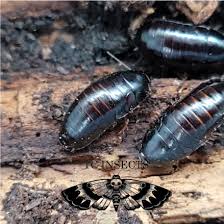
The Paraplecta minutissima, commonly known as Little Kenyan Roach, is an excellent feeder species for both spider slings and mantis nymphs. This small species reproduces easily and is terrestrial, making it an ideal choice for hobbyists looking for a reliable, self-sustaining feeder colony.
This small species is perfect for feeding small invertebrates and is known for its ease of care and prolific breeding. The Little Kenyan Roach is terrestrial and does not climb smooth surfaces, making it easy to contain and maintain. Known for its excellent size for microfeeding, easy breeding, terrestrial nature, and simple care requirements, the Little Kenyan Roach is a prized specimen for keepers who need reliable feeders for their spider slings and mantis nymphs.
Key Features:
- Excellent feeder for spider slings and mantis nymphs
- Small size perfect for microfeeding
- Reproduces easily in captivity
- Terrestrial species
- Easy and forgiving care
- Cannot climb smooth surfaces
- Prolific breeding
- Self-sustaining feeder colony
- Beginner to intermediate care level
- Live arrival guarantee with safe, discreet shipping
Housing: Start cultures in a small container with adequate ventilation. This species prefers a simple setup with substrate and hiding places. Use coconut fiber or similar substrate with egg crate or bark pieces for hides. Maintain moderate humidity with good ventilation. No life stages can climb smooth surfaces, so a standard container with ventilation holes works well.
Temperature: Room temperature to warm temperatures work well for breeding. The warmer they are, the faster they'll breed.
Diet: Dog/cat/fish food or similar protein-based foods work as the staple diet. Fruits and vegetables can be offered as supplemental food.
Maintenance: This species is quite easy and forgiving. They don't create excessive waste and are simple to maintain with regular feeding and occasional substrate changes.
Perfect for keepers seeking an excellent feeder species for spider slings and mantis with easy care and prolific breeding. A great addition to any feeder colony setup! Each culture is carefully prepared and comes with comprehensive care information to ensure long-term success with this excellent feeder species.
