

Description
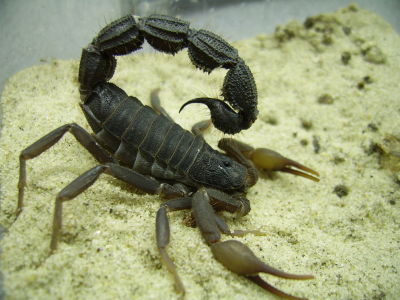
The Parabuthus transvaalicus, commonly known as the South African Thick Tail Scorpion, Spitting Scorpion, or Transvaal Scorpion, is an impressive and formidable scorpion species featuring massive size and striking black coloration. This spectacular arid-adapted scorpion displays glossy black coloration with a very large, robust build and the characteristic thick tail of the Parabuthus genus, creating one of the most commanding appearances among African scorpions.
Native to South Africa and surrounding regions, this robust species reaches a very large size of 5–6 inches at maturity, making it one of the largest Parabuthus species. Known for its massive size, striking black coloration, unique defensive venom-spraying behavior (can spray venom when threatened), thick tail, adaptation to extremely arid desert conditions, and solitary nature requiring individual housing, the South African Thick Tail is a prized specimen for experienced keepers who appreciate very large African scorpions with exceptional size and unique defensive capabilities.
Key Features:
- Very large size reaching 5–6 inches in length
- Striking glossy black coloration
- Unique venom-spraying defensive behavior
- Massive robust build
- Characteristic thick tail of Parabuthus genus
- One of the largest Parabuthus species
- Hardy species adapted to arid conditions
- Impressive South African species
- Solitary species – requires individual housing
- Highly medically significant species – advanced keepers only
- Advanced care level required
- Live arrival guarantee with safe, discreet shipping
Perfect for experienced keepers seeking a very large, impressive Parabuthus with striking black coloration and unique defensive venom-spraying behavior. Each specimen is ethically sourced and comes with comprehensive care information. CRITICAL WARNING: This is a highly medically significant species with potent venom and the ability to spray venom defensively. This species should ONLY be kept by highly experienced keepers with proper safety protocols and eye protection. Must be housed individually.
