

Description
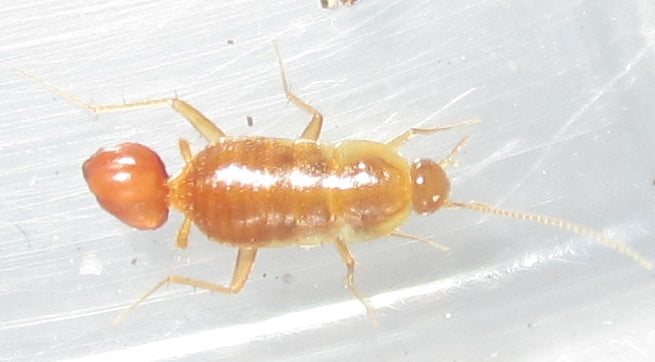
The Nocticola vagus, commonly known as Wandering Night Dweller Micro Roach or Malaysian Micro Roach, is an extraordinary and tiny roach species featuring diminutive size and fascinating behavior. Formerly sold as Nocticola sp Malaysia, this remarkable micro roach is the smallest roach species in the hobby right now, making it one of the most unique and sought-after micro roach species available, perfect for microfeeder use and as a captivating pet species.
This tiny species reaches a size of approximately 0.125–0.25 inches at maturity. Adults seem to live at least several months. Oothecae take around a month to hatch depending on temps, with nymphs maturing in 3–4 months or so. Oddly, all adults observed seem to be female, and this strain may actually be parthenogenetic. This species likes having lots of surface area and hides, particularly hides that go into the substrate like tunnels, which makes sense since Nocticola like these are often found inside termite and ant nests. Known for its incredibly tiny size as the smallest roach in the hobby, prolific breeding, possibly parthenogenetic reproduction, preference for chunky substrate with tunnels and hides, ease of care, and potential as microfeeder or cleaner crew, the Wandering Night Dweller is a prized specimen for keepers who appreciate micro roaches with fascinating characteristics.
Key Features:
- Smallest roach species in the hobby
- Tiny size reaching 0.125–0.25 inches in length
- Possibly parthenogenetic (all females observed)
- Prolific breeding with fast maturation
- Oothecae hatch in around 1 month
- Nymphs mature in 3–4 months
- Excellent microfeeder potential
- Possible cleaner crew for other inverts
- Formerly sold as Nocticola sp Malaysia
- Often found in termite and ant nests in nature
- Easy and forgiving care
- Cannot climb smooth surfaces
- Beginner to intermediate care level
- Live arrival guarantee with safe, discreet shipping
Housing: Start cultures in a small 24 oz deli cup so they can easily locate food, with a gallon container being big enough to house many hundreds. This species likes lots of surface area and hides, particularly hides that go into the substrate like tunnels. Use a super chunky substrate with moss, curved bark, and corkboard hides partially buried. A recommended setup includes coconut fiber 1 cm deep at the bottom, with small pieces of bark, cardboard, egg crate, corkboard, and long fibered sphagnum moss on top, topped with another cm of coco fiber while leaving some patches of hides exposed. Add more corkboard hides and sphagnum moss on top, plus small chunks of rotten wood. This simulates the tunnels and invert burrows they'd hide inside in their native habitat. As long as they have lots of dark nooks and crannies, they'll be fine. Needs high humidity with minimal to moderate ventilation. No life stages can climb smooth surfaces, but they can scale dirt and dried water stains, so use a tight fitting lid with micro mesh or pinhole ventilation.
Temperature: Temperatures from 74–85°F work well for breeding, but they may breed at even lower temps and tolerate warmer ones just fine. The warmer they are, the faster they'll breed.
Diet: Dog/cat/fish food or some alternative works as the staple diet. Fruits and veggies are nibbled on as well, though not as much as protein-based foods. Contrary to some claims, this species does not require rotten wood in their diet to do well and breeds just fine without any rotten wood available.
Maintenance: Medium/large, very prolific springtails like Coecobrya can potentially outcompete these roaches, as well as other pests. Oribatid mites and small silver springtails, as well as predatory mites seem not to bother this species in moderate numbers. This species doesn't create a lot of filth nor do they seem to mind frass buildups, and they seemingly eat their own dead readily. Overcrowding has never been an issue. They are quite easy and forgiving so long as they are not allowed to dry out.
Perfect for keepers seeking the smallest roach species in the hobby with incredible micro size and fascinating possibly parthenogenetic reproduction. This species has decent potential as a microfeeder and even possibly as a cleaner crew for other roaches and miscellaneous inverts/herps. A great addition to any roach enthusiast's collection with great use beyond the scope of Blatticulture alone! Each culture is carefully prepared and comes with comprehensive care information to ensure long-term success with this extraordinary micro species.
Photo Credit to Tristan Shanahan
