


Description
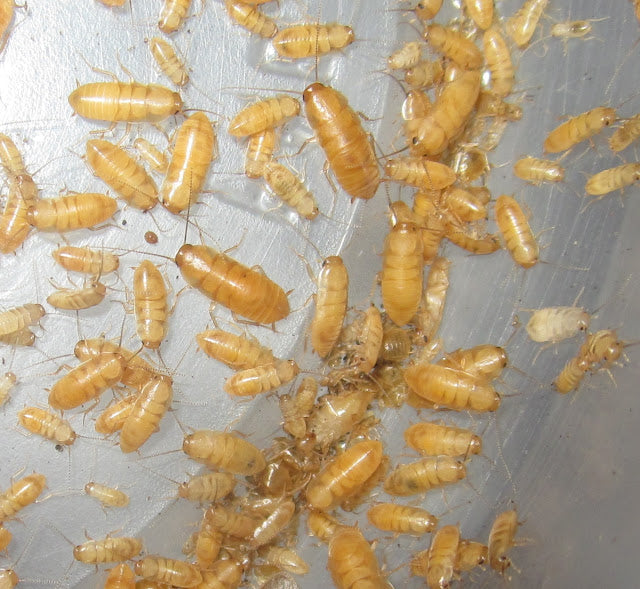
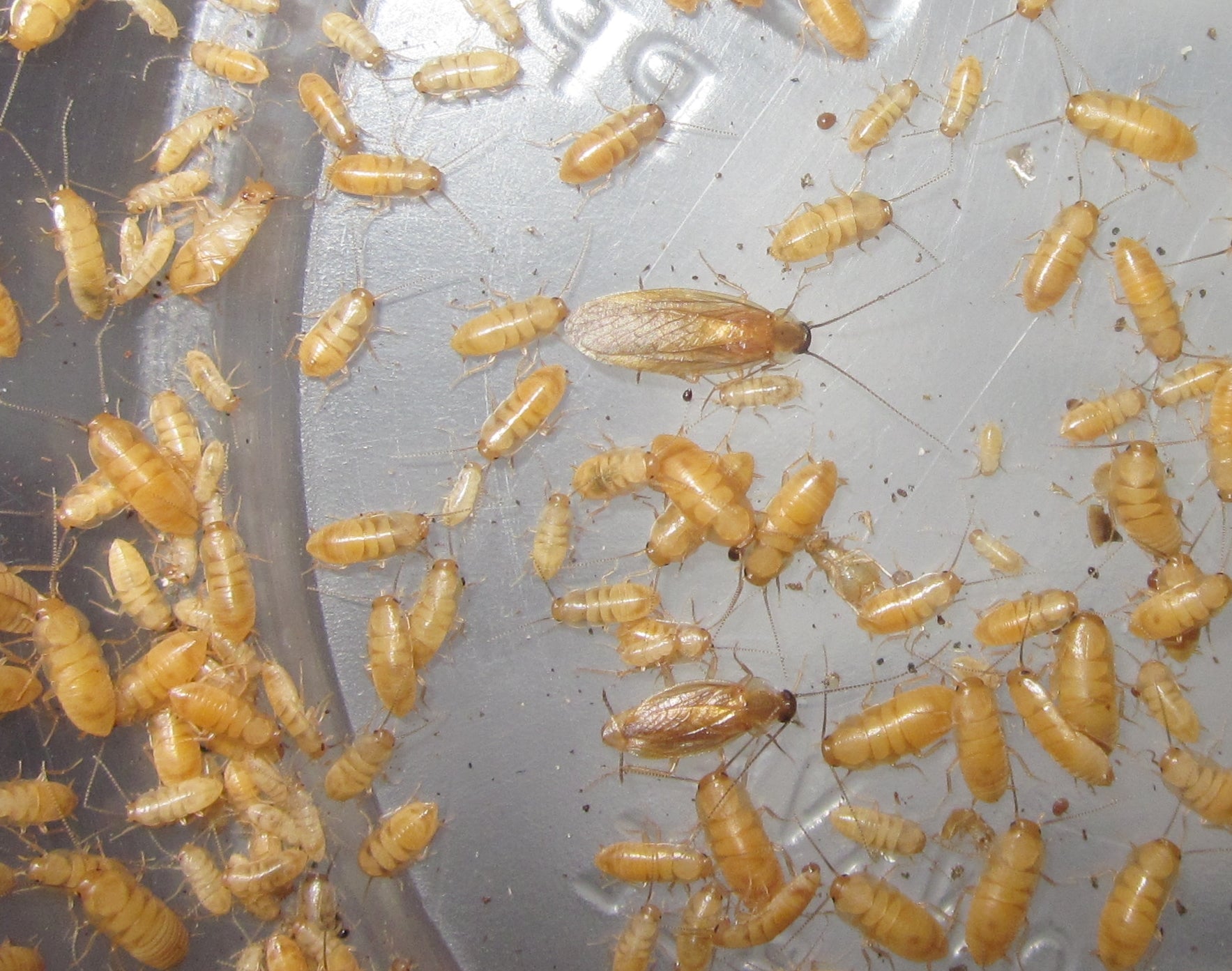
The Compsodes schwarzi, commonly known as Schwarz's Hooded Micro-Roach, is a fascinating and tiny roach species featuring diminutive size and exceptional prolific breeding. This remarkable micro roach displays compact build and interesting hooded appearance, making it one of the most unique and productive small roach species available in the hobby, perfect for feeding smaller predators or as a captivating pet species.
This tiny species reaches a size of approximately 0.25–0.5 inches at maturity. Adult males live for at least 2–3 months and can climb and fly, whereas females live at least 4–6 months and are flightless. Females are quite prolific and lay very small, thin oothecae on bark pieces and other hides once a week or so, with each ootheca holding around 6–8 eggs that hatch in just a couple weeks to a month. Nymphs take an additional 2–3 months to mature under optimal conditions. Known for its tiny size, prolific breeding, fast-hatching oothecae, ease of care, and versatile use as feeders for smaller predators, the Micro Hooded Roach is a prized specimen for keepers who appreciate productive micro roaches with fascinating characteristics.
Key Features:
- Tiny micro roach species (0.25–0.5 inches)
- Extremely prolific breeding
- Fast-hatching oothecae (2 weeks to 1 month)
- Females lay oothecae weekly with 6–8 eggs each
- Nymphs mature in 2–3 months under optimal conditions
- Excellent feeders for smaller predators
- Nymphs can't climb smooth surfaces and don't burrow
- Highly active and easy to breed
- Also great as a pet species
- Adult males can climb and fly (airtight lid required)
- Beginner to intermediate care level
- Live arrival guarantee with safe, discreet shipping
Housing: Anything from a 24 oz Tupperware to a large 5 gallon gasket bin works well. While tiny, they are prolific and will eventually fill out whatever size enclosure you provide, though they are not particularly sensitive to overcrowding. Since adult males can climb and fly, and the species is so tiny that even slightly dirty walls can give nymphs enough texture to escape, the lid should be airtight. Provide a thin layer of coconut fiber or similar substrate, plus plenty of hides such as bark pieces, egg crates, leaf litter, corrugated cardboard, or roach huts made of plywood or corkboard. Keep moderately ventilated, ensuring ventilation holes aren't big enough for tiny nymphs to escape. Maintain rather humid conditions, as they can desiccate rapidly if kept too dry.
Temperature: Temps from 70–85°F work well for breeding. They aren't too picky, but will breed and grow way faster the warmer they are kept.
Diet: The normal roach diet of dog/cat/chick feed, fruits, and veggies works well. They also seem to be decent mold eaters, eat their own dead, and might make good cleaner crews for other larger roaches.
Perfect for keepers seeking a tiny, prolific micro roach species that's excellent for feeding smaller predators with fast breeding cycles and easy care requirements. Nymphs are highly active, can't climb smooth surfaces, and don't burrow, making them ideal feeders. The oothecae hatch extremely quickly, and this species isn't too picky when it comes to setup or diet. Definitely a good addition to any enthusiast's collection! Each culture is carefully prepared and comes with comprehensive care information to ensure long-term success with this fascinating micro species.
Photo credit to Tristan Shanahan
